
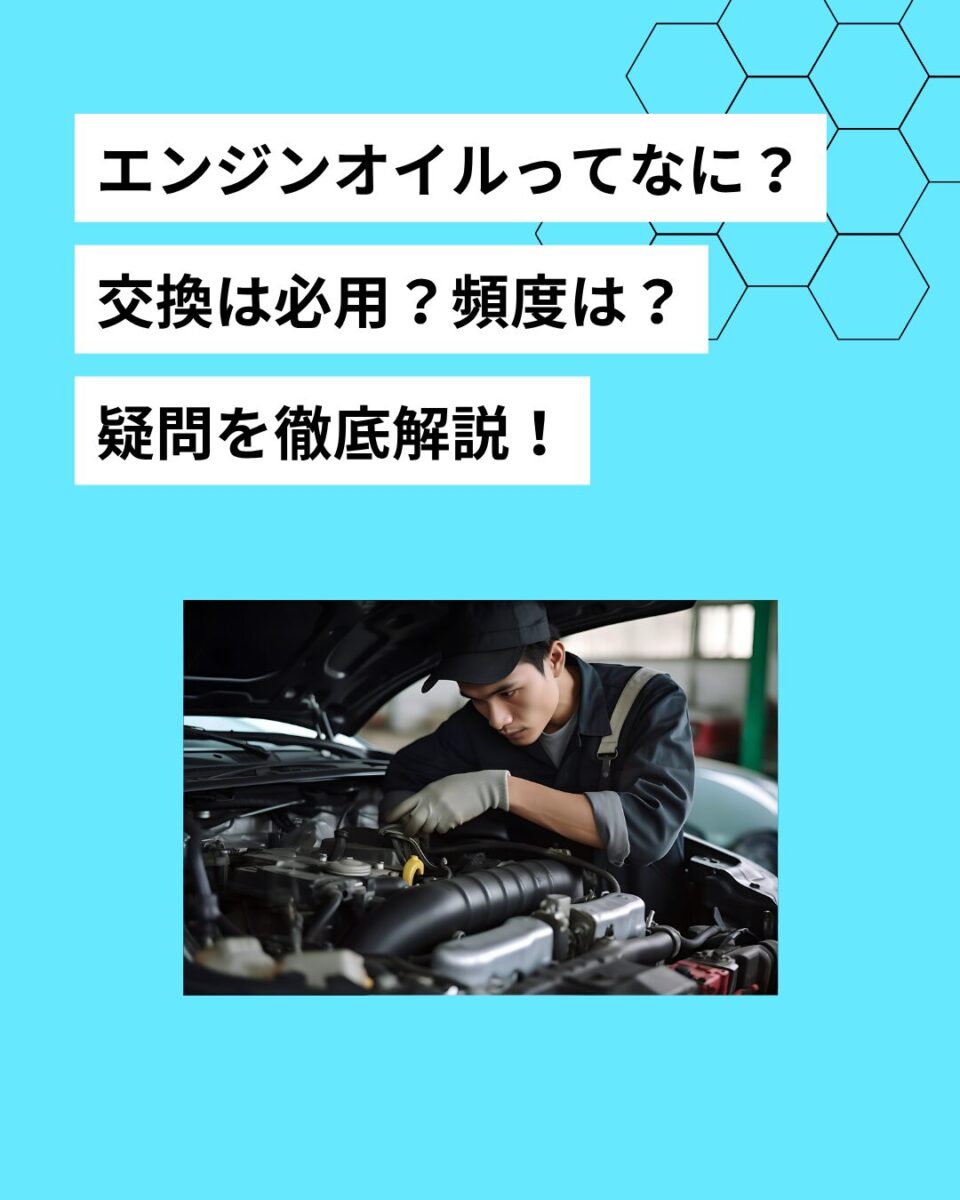
「エンジンオイルって、どれくらいの頻度で交換すればいいの?」
「少しくらい交換時期を過ぎても大丈夫?」
車に乗っていると、エンジンオイルの交換について疑問に思うことはありませんか?
エンジンオイルは、車を正常に動かすために欠かせない重要なものです。
しかし、普段は目に見えないため、交換をつい後回しにしてしまう方もいるのでは…
実は、エンジンオイルの交換を長期間行わないと、エンジン内部の摩耗や汚れの蓄積などにつながり、故障の原因になる可能性があります。
今回は、エンジンオイル交換をサボるとどうなるのか、交換時期の目安や注意点について解説します。
淡路市・淡路島で車を日常的に使っている方も、愛車のメンテナンスにぜひ役立ててください。
1. エンジンオイルの役割とは?
エンジンオイルは、エンジン内部の部品を保護し、正常に動かすために必要な潤滑油です。
単に部品の動きを滑らかにするだけでなく、いくつもの重要な役割を担っています。
主な役割は次の5つです。
① 潤滑作用
エンジン内部では、金属部品が高速で動いています。
エンジンオイルは部品の間に油膜をつくり、摩擦や摩耗を抑える役割があります。
② 冷却作用
エンジンオイルは、エンジン内部で発生した熱の一部を吸収し、循環することで熱を運びます。
これにより、エンジン内部の温度管理を助けています。
③ 洗浄作用
エンジン内部では、燃焼などによって汚れや不純物が発生します。
エンジンオイルは、こうした汚れを取り込み、エンジン内部に蓄積しにくくする役割があります。
④ 密封作用
エンジン内部のピストンとシリンダーの隙間などに油膜をつくり、燃焼ガスが漏れにくい状態を保つ働きがあります。
⑤ 防錆作用
エンジン内部の金属部品を油膜で覆い、水分などによる錆の発生を抑える役割があります。
このように、エンジンオイルは車のエンジンを守るために欠かせない存在です。
2. エンジンオイル交換をサボるとどうなる?
エンジンオイルは使用を続けるうちに、熱や燃焼による汚れ、酸化などの影響を受けて劣化していきます。
交換を長期間行わずにいると、次のような問題につながる可能性があります。
① エンジン内部の摩耗が進みやすくなる
エンジンオイルの重要な役割は、部品同士の摩擦を抑えることです。
しかし、オイルが劣化すると、本来の性能を十分に発揮できなくなる場合があります。
その結果、エンジン内部の部品に負担がかかり、摩耗が進む可能性があります。
② エンジン内部に汚れが蓄積する
エンジンオイルには、エンジン内部の汚れを取り込む洗浄作用があります。
交換を怠ると、汚れを含んだオイルを使い続けることになり、エンジン内部にスラッジと呼ばれる汚れが蓄積する場合があります。
汚れがひどくなると、オイルの通り道が詰まるなど、深刻なトラブルにつながる可能性もあります。
③ エンジンの性能に影響する可能性がある
オイルの劣化や量の不足によって、エンジン内部の潤滑状態が悪くなると、異音や振動などの症状が出る場合があります。
ただし、こうした症状には別の原因も考えられます。
異常を感じたときは、自己判断せずに点検を受けることが大切です。
④ 燃費に影響する可能性がある
エンジンオイルの劣化によって潤滑性能が低下すると、エンジン内部の摩擦が増える可能性があります。
その結果、エンジンの効率に影響し、燃費が悪化することも考えられます。
ただし、燃費はタイヤの空気圧や走行環境、運転方法など、さまざまな要因によって変化します。
⑤ 最悪の場合、エンジンの故障につながる
オイル交換を長期間行わなかったり、オイル量が不足した状態で走行を続けたりすると、エンジン内部に大きなダメージが発生する可能性があります。
状態によっては、エンジンの焼き付きなど、重大な故障につながることも…。
エンジンオイルは、車が走るために必要なものというだけでなく、エンジンを守るための重要なメンテナンス項目です。
3. エンジンオイルの交換時期はどれくらい?
エンジンオイルの交換時期は、すべての車で同じではありません。
一般的には、走行距離や使用期間を目安に交換しますが、適切なタイミングは車種やエンジンの種類、使用条件によって異なります。
交換時期を判断する基本的な考え方
エンジンオイルの交換時期を判断するときは、主に次の2つを確認します。
- 走行距離
- 前回交換してからの経過期間
例えば、あまり走行していなくても、時間の経過によってオイルは劣化します。
反対に、短期間で長距離を走る場合は、走行距離に応じて交換時期を迎えることがあります。
そのため、「あまり走っていないから交換しなくてもよい」とは限らないのです。
車種ごとの指定を確認することが大切
メーカーや車種によって、推奨される交換時期や使用するオイルの規格は異なります。
また、ターボエンジン搭載車やハイブリッド車など、エンジンの種類によっても指定が異なる場合があります。
インターネット上で紹介されている一般的な交換目安だけで判断せず、必ず自分の車の取扱説明書やメーカーが案内するメンテナンス情報を確認しましょう。
交換時期だけでなく、指定されているオイルの粘度や規格も確認することが大切です。
4. エンジンオイルの劣化を早める使用条件とは?
同じ車種でも、車の使い方によってエンジンオイルの劣化の進み方は変わります。
特に、次のような使い方をしている場合は注意が必要です。
① 短距離走行を繰り返す
近所への買い物や送り迎えなど、短い距離の運転を繰り返す使い方です。
エンジンが十分に暖まる前に走行を終えることが多いと、エンジン内部に水分や燃料由来の成分が残りやすくなり、オイルの劣化に影響する場合があります。
淡路市内で近距離の移動が多い方も、自分の車の使用条件を確認しておきましょう。
② 渋滞や低速走行が多い
渋滞や信号待ちが多い環境では、走行距離が短くてもエンジンが稼働している時間が長くなることがあります。
走行距離だけでは判断しにくい負担がかかる場合があるため、交換時期はメーカーの指定を確認しましょう。
③ 山道や坂道をよく走る
坂道や山道では、平坦な道と比べてエンジンに負荷がかかることがあります。
とくに淡路島では坂道や山道を走行している方も多いのでは…
日常的に坂道や起伏のある道路を走る方は、車の使用条件を踏まえてメンテナンスを考えることが大切です。
④ 長距離運転や高速道路の利用が多い
長距離運転や高速道路の利用が多い場合も、エンジンの稼働時間や負荷を考慮する必要があります。
どのような条件がシビアコンディションに該当するかは車種によって異なるため、取扱説明書を確認してください。
5. エンジンオイル交換のタイミングを確認する方法
「前回いつ交換したか忘れてしまった」という方もいるかもしれません。
その場合は、次の方法で確認してみましょう。
① 取扱説明書を確認する
まずは、車の取扱説明書を確認しましょう。
指定されている交換時期やオイルの種類、使用条件による交換時期の違いなどが記載されています。
メーカーの公式サイトでメンテナンス情報を確認できる場合もあります。
② 前回の交換記録を確認する
オイル交換を行った際の整備記録や明細書、メンテナンスノートなどを確認しましょう。
前回の交換日と走行距離がわかれば、次回の交換時期を判断しやすくなります。
③ オイルの量や状態を確認する
車種によっては、エンジンオイルの量をレベルゲージで確認できます。
確認方法は車種ごとに異なるため、取扱説明書に従ってください。
オイルの色だけで交換時期を正確に判断することはできません。
また、オイル量が極端に少ない場合や、警告灯が点灯した場合は注意が必要です。
特に油圧警告灯が点灯した場合は、走行を続けず、安全な場所に停車してエンジンを停止してください。対応方法については取扱説明書を確認し、必要に応じて整備工場などに相談しましょう。
6. エンジンオイル交換と一緒に確認したいこと
オイル交換を行う際には、ほかのメンテナンス項目も確認しておくと安心です。
オイルフィルターの交換時期
オイルフィルターは、エンジンオイルに含まれる汚れを取り除く部品です。
フィルターも使用するうちに汚れが蓄積するため、定期的な交換が必要になります。
交換時期は車種やメーカーの指定によって異なるため、取扱説明書などを確認しましょう。
オイル漏れがないか
エンジンオイルの量が頻繁に減る場合は、オイル漏れやオイル消費などの可能性があります。
駐車場の地面にオイルのような跡がある場合も、注意が必要です。
オイルを補充するだけで済ませず、原因を確認することが大切です。
オイル漏れについて詳しく知りたい方は、こちらの記事もご覧ください。
[内部リンク:車のオイル漏れの原因とは?放置するリスクと修理が必要なサイン]
エンジンから異音がしないか
普段と違う音がする場合は、エンジンオイル以外の原因も考えられます。
異音が続く場合や、警告灯が点灯している場合は、早めに点検を受けましょう。
7. 淡路市・淡路島で車のメンテナンスを考えている方へ
車は、定期的にメンテナンスを行うことで、トラブルの予防につながります。
特にエンジンオイルは、交換を後回しにしてしまいやすい消耗品の一つです。
「前回いつ交換したかわからない」
「最近、オイル交換をしていない」
「自分の車の交換時期がわからない」
このような場合は、一度取扱説明書や整備記録を確認してみましょう。
淡路自動車は、兵庫県淡路市志筑にある自動車関連の事業者です。
創業53年、地域の皆さまに支えられながら営業してきました。
オイル交換の時期や車のメンテナンスについて気になることがあれば、お問い合わせください。
淡路自動車
📞 TEL:0799-64-0459
🏠 住所:兵庫県淡路市生穂1954
淡路市や淡路島で、愛車のメンテナンスについて相談先をお探しの方は、お気軽にご相談ください。
LINEからもお気軽にお問い合わせください。

まとめ|エンジンオイルは適切な時期に交換しよう
エンジンオイルは、エンジン内部の潤滑・冷却・洗浄など、さまざまな役割を担っています。
交換を長期間怠ると、エンジン内部の摩耗や汚れの蓄積につながり、重大な故障を招く可能性もあります。
交換時期を考えるときは、次のポイントを意識しましょう。
- 走行距離だけでなく、経過期間も確認する
- 車種やエンジンの種類による違いを確認する
- 短距離走行や渋滞など、使用条件も考慮する
- 取扱説明書に記載された交換時期とオイルの指定を守る
- 前回の交換日と走行距離を記録しておく
エンジンオイルの交換時期は、すべての車で共通ではありません。
自分の車に合ったタイミングを確認し、定期的なメンテナンスを心がけましょう。
淡路市・淡路島で車のメンテナンスについて気になることがあれば、淡路自動車までお問い合わせください。
“How often should I change it?”
“Is it okay if I wait a little past the recommended change interval?”
When you’re driving, do you ever wonder about engine oil changes?
Engine oil is essential for keeping your car running properly.
However, since you can’t usually see it, some people might tend to put off changing it…
In fact, going too long without changing your engine oil can lead to internal engine wear and the buildup of contaminants, which may cause breakdowns.
In this article, we’ll explain what happens if you skip engine oil changes, as well as guidelines for when to change it and important points to keep in mind.
Whether you use your car daily in Awaji City or on Awaji Island, we hope this information will help you maintain your beloved vehicle.
- What Is the Role of Engine Oil?
Engine oil is a lubricant essential for protecting the internal engine components and ensuring they operate properly.
It does more than just make the parts move smoothly—it also fulfills several important functions.
The five main functions are as follows:
① Lubrication
Inside the engine, metal parts move at high speeds.
Engine oil creates a film of oil between these parts, helping to reduce friction and wear.
② Cooling
Engine oil absorbs some of the heat generated inside the engine and carries it away as it circulates.
This helps regulate the temperature inside the engine.
③ Cleaning
Inside the engine, combustion and other processes generate dirt and impurities.
Engine oil traps these contaminants, preventing them from accumulating inside the engine.
④ Sealing Function
It creates an oil film in gaps between the piston and cylinder inside the engine, helping to prevent combustion gases from leaking.
⑤ Rust Prevention
It coats the metal parts inside the engine with an oil film, helping to prevent rust caused by moisture and other factors.
As you can see, engine oil is essential for protecting a car’s engine.
- What Happens If You Skip Engine Oil Changes?
As engine oil is used, it degrades due to heat, contamination from combustion, oxidation, and other factors.
Failing to change the oil for an extended period can lead to the following problems:
① Increased Wear Inside the Engine
A key role of engine oil is to reduce friction between parts.
However, when the oil degrades, it may no longer be able to perform adequately.
As a result, stress is placed on internal engine components, potentially accelerating wear.
② Contaminants accumulate inside the engine
Engine oil has a cleansing effect that traps contaminants inside the engine.
If you neglect to change the oil, you will continue to use oil containing contaminants, which can lead to the accumulation of a substance called sludge inside the engine.
If the contamination becomes severe, it can lead to serious problems, such as clogged oil passages.
③ It may affect engine performance
If lubrication inside the engine deteriorates due to oil degradation or low oil levels, symptoms such as unusual noises or vibrations may occur.
However, these symptoms may also have other causes.
If you notice any abnormalities, it is important to have your vehicle inspected rather than making your own judgment.
④ It may affect fuel economy
If lubrication performance declines due to engine oil degradation, friction inside the engine may increase.
As a result, engine efficiency may be affected, potentially leading to poorer fuel economy.
However, fuel economy varies depending on a variety of factors, such as tire pressure, driving conditions, and driving style.
⑤ In the worst-case scenario, it can lead to engine failure
Failing to change the oil for an extended period or continuing to drive with insufficient oil levels can cause significant damage to the engine’s internal components.
Depending on the situation, this could even lead to serious failures, such as engine seizure…
Engine oil is not only essential for the car to run but is also a critical maintenance item for protecting the engine.
- How often should you change the engine oil?
The recommended interval for changing engine oil varies by vehicle.
Generally, the interval is based on mileage or time elapsed since the last change, but the appropriate timing depends on the vehicle model, engine type, and usage conditions.
Basic Guidelines for Determining When to Change the Oil
When determining when to change the engine oil, you should primarily check the following two factors:
Mileage
Time elapsed since the last oil change
For example, even if you haven’t driven much, the oil degrades over time.
Conversely, if you drive long distances in a short period, the oil may need changing based on the mileage.
Therefore, it’s not necessarily true that “since I haven’t driven much, I don’t need to change the oil.”
It’s Important to Check the Specifications for Your Specific Vehicle Model
The recommended change intervals and oil specifications vary by manufacturer and vehicle model.
Additionally, specifications may differ depending on the engine type, such as in vehicles with turbocharged engines or hybrid vehicles.
Do not rely solely on general change guidelines found online; be sure to check your vehicle’s owner’s manual and the maintenance information provided by the manufacturer.
It’s important to check not only the change interval but also the specified oil viscosity and specifications.
- What Driving Conditions Accelerate Engine Oil Degradation?
Even for the same vehicle model, the rate at which engine oil degrades varies depending on how the car is used.
You should be especially cautious if you engage in the following driving habits:
① Frequent short-distance trips
This refers to repeatedly driving short distances, such as for neighborhood shopping or dropping off and picking up passengers.
If you frequently stop driving before the engine has fully warmed up, moisture and fuel-derived components are more likely to remain inside the engine, which can accelerate oil degradation.
If you frequently make short trips within Awaji City, be sure to check your vehicle’s specific usage conditions.
② Frequent traffic jams and low-speed driving
In environments with frequent traffic jams or stops at traffic lights, the engine may remain running for extended periods even if the distance traveled is short.
Since the strain on the engine can be difficult to gauge based on mileage alone, be sure to check the manufacturer’s specifications for the recommended oil change interval.
③ Frequent driving on mountain roads or hills
Driving on hills or mountain roads can place a greater load on the engine compared to driving on flat roads.
This is especially true on Awaji Island, where many drivers frequently navigate hills and mountain roads…
If you regularly drive on hills or undulating roads, it’s important to plan your maintenance schedule based on your vehicle’s usage conditions.
④ Frequent Long-Distance Driving or Highway Use
If you frequently drive long distances or use the highway, you also need to consider the engine’s operating time and load.
Since the conditions that qualify as “severe conditions” vary by vehicle model, please check your owner’s manual.
- How to Check When to Change Your Engine Oil
Some of you may have forgotten when you last changed your oil.
In that case, try checking using the following methods.
① Check the Owner’s Manual
First, check your car’s owner’s manual.
It lists the recommended change intervals, the type of oil to use, and how these intervals may vary based on usage conditions.
You may also be able to find maintenance information on the manufacturer’s official website.
② Check Your Previous Oil Change Records
Review your service records, invoices, or maintenance log from when you last had an oil change.
If you know the date and mileage of the last change, it will be easier to determine when the next one is due.
③ Check the Oil Level and Condition
Depending on the vehicle model, you can check the engine oil level using a dipstick.
Since the procedure varies by model, please follow the instructions in the owner’s manual.
You cannot accurately determine when to change the oil based on its color alone.
Also, be cautious if the oil level is extremely low or if a warning light comes on.
In particular, if the oil pressure warning light comes on, do not continue driving; pull over to a safe location and turn off the engine. Check the owner’s manual for instructions on how to proceed, and consult a repair shop or service center if necessary.
- Things to Check Along with an Engine Oil Change
When changing the oil, it’s a good idea to check other maintenance items as well for added peace of mind.
When to Replace the Oil Filter
The oil filter is a component that removes impurities from the engine oil.
As dirt accumulates in the filter over time, it needs to be replaced regularly.
The recommended replacement interval varies by vehicle model and manufacturer, so be sure to check your owner’s manual.
Check for Oil Leaks
If your engine oil level drops frequently, it could indicate an oil leak or excessive oil consumption.
You should also be cautious if you notice oil-like stains on the ground in your parking lot.
It’s important not to simply top off the oil, but to identify the cause of the problem.
If you’d like to learn more about oil leaks, please see this article.
[Internal Link: What Causes Car Oil Leaks? Risks of Ignoring Them and Signs You Need Repairs]
http://engine-oil-koukan-jiki
Check for Unusual Noises from the Engine
If you hear a noise that’s different from usual, the cause may be something other than the engine oil.
If the noise persists or a warning light is on, have your car inspected as soon as possible.
- For Those Considering Car Maintenance in Awaji City or on Awaji Island
Regular car maintenance helps prevent problems.
Engine oil, in particular, is a consumable item that people often tend to put off changing.
“I don’t remember when I last changed it.”
“I haven’t had an oil change recently.”
“I don’t know when my car is due for an oil change.”
If this sounds like you, try checking your owner’s manual or maintenance records.
Awaji Jidōsha is an automotive service provider located in Shizuki, Awaji City, Hyogo Prefecture.
We’ve been in business for 53 years, supported by our local community.
If you have any questions about when to change your oil or other vehicle maintenance, please feel free to contact us.
Awaji Motor
📞 TEL: 0799-64-0459
🏠 Address: 1954 Ikio, Awaji City, Hyogo Prefecture
If you’re in Awaji City or on Awaji Island and are looking for someone to consult about maintaining your car, please don’t hesitate to reach out.
Contact Us Here
Feel free to contact us via LINE as well.
Summary | Change Your Engine Oil at the Right Time
Engine oil plays various roles, such as lubricating, cooling, and cleaning the inside of the engine.
Neglecting to change it for an extended period can lead to internal engine wear and the buildup of dirt, which may result in serious malfunctions.
When deciding when to change your oil, keep the following points in mind:
Check not only the mileage but also the elapsed time
Check for differences based on your vehicle model and engine type
Consider usage conditions, such as short trips or driving in traffic
Follow the oil change schedule and oil specifications listed in the owner’s manual
Keep a record of the date and mileage of your last oil change
The recommended oil change interval varies by vehicle.
Be sure to check the schedule for your specific vehicle and make a habit of regular maintenance.
If you have any questions about car maintenance in Awaji City or on Awaji Island, please contact Awaji Motor.